The Institutional Certification Wall Street Has Been Waiting For
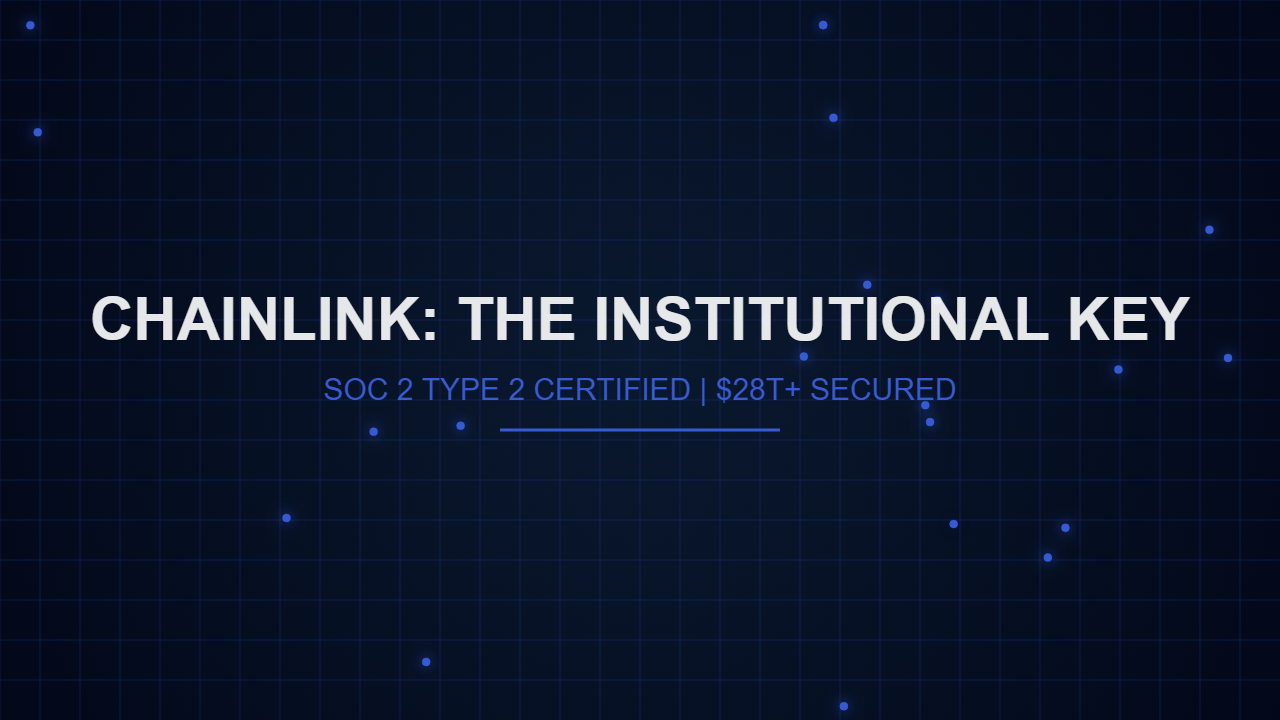
In a move that quietly bridges the gap between decentralized finance and legacy banking, Chainlink has achieved a security milestone that few in the crypto space can claim. As of recently, the protocol became the only blockchain oracle to simultaneously hold SOC 2 Type 2, SOC 2 Type 1, and ISO/IEC 27001:2022 certifications. For the uninitiated, this isn’t just another checklist item; it is a fundamental requirement for the world’s largest financial institutions.
Deloitte and Touche LLP completed the SOC 2 Type 2 examination, which specifically covered Chainlink’s CCIP (Cross-Chain Interoperability Protocol) and various Data Feeds. Unlike Type 1 audits, which look at a snapshot of security design, Type 2 verifies that these controls operated effectively over a sustained period. This distinction is the line in the sand for compliance officers at pension funds and insurance companies looking to deploy capital into the ecosystem.
Institutional Infrastructure vs. Market Price
Despite these massive fundamental wins, LINK’s price remains a point of frustration for many retail investors. Currently trading near $9.3, the token is roughly 50% below its late-2025 highs. This creates a striking divergence: while the underlying infrastructure is being adopted by giants like Swift, Euroclear, JPMorgan, UBS, and Fidelity International, the token price is being held back by broader market sentiment.
The Macro Drag: Bitcoin and Geopolitics
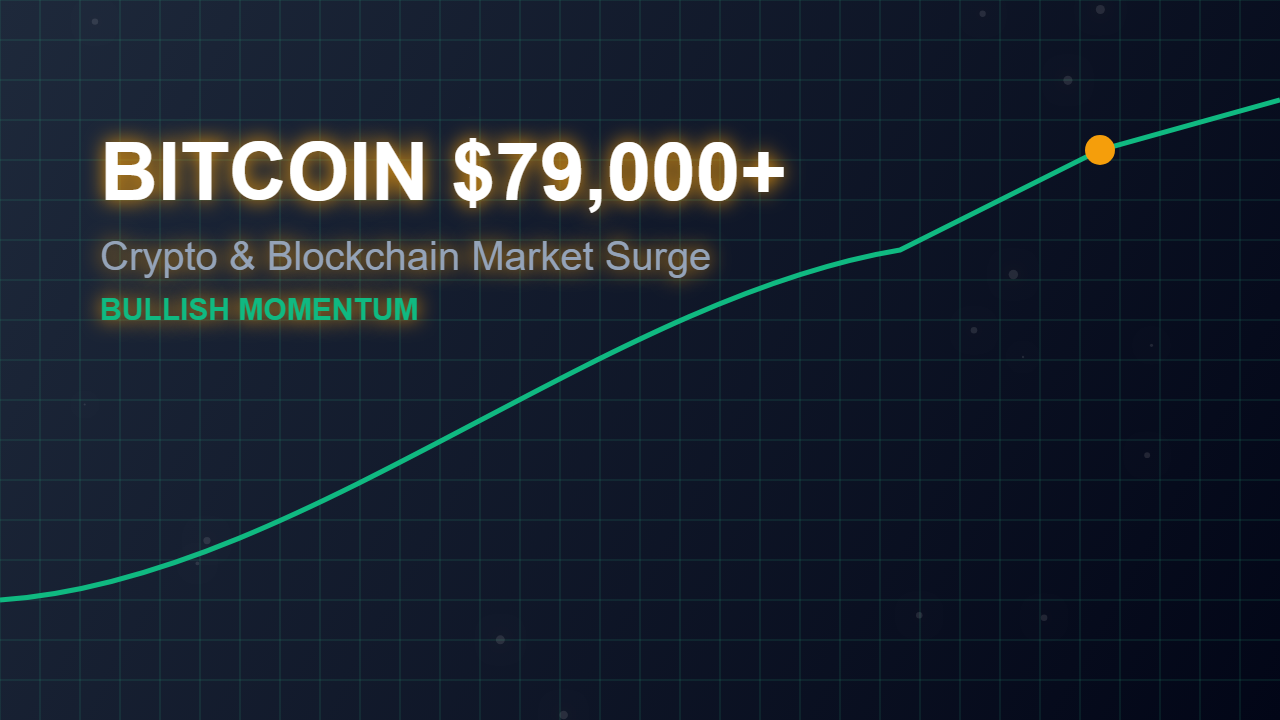
The primary weight on LINK’s shoulders isn’t internal; it’s macro. Bitcoin’s recent pullbacks toward $77,737, fueled by US-Iran tensions and Federal Reserve uncertainty, have created a risk-off environment. Historically, altcoins like Chainlink face increased pressure when Bitcoin tests critical support levels like $73,000. For LINK to break its current slump, it likely needs the institutional news to decouple from the general market noise.
Can LINK Price Recover From Its 50% Drawdown?
Chainlink’s utility metrics are at an all-time high. The protocol’s CCIP is averaging approximately $90M in weekly token transfers, and its infrastructure has facilitated over $28 trillion in cumulative transaction value. With the Real-World Asset (RWA) sector reaching $27Bn, Chainlink is positioned as the primary rails for this growth.
- Bull Case: If geopolitical tensions ease and Bitcoin reclaims $80,000, the Deloitte certification could trigger institutional buying, pushing LINK toward a $13–$15 retest.
- Base Case: LINK continues to consolidate between $8 and $10 as the RWA pipeline slowly matures from pilot programs to full production.
- Bear Case: A major risk-off event pushes Bitcoin below $73,000, dragging LINK back toward the $7 support zone.
Looking Beyond the Oracle: The Rise of LiquidChain
While Chainlink solves the data and cross-chain messaging problem, new players are emerging to solve the liquidity fragmentation issue. For investors who feel LINK’s current valuation already accounts for its ‘blue-chip’ status, projects like LiquidChain (LIQUID) represent an earlier entry point on the infrastructure curve.
LiquidChain is a Layer 3 project designed to fuse liquidity from Bitcoin, Ethereum, and Solana into a single execution environment. Currently in its presale phase, the project has raised over $700,000 at a price of $0.01452 per token. While Chainlink provides the data, LiquidChain aims to provide the unified liquidity layer, allowing developers to deploy once and access all major ecosystems simultaneously.
As institutional interest in blockchain grows, the focus is shifting from simple ‘coins’ to the essential infrastructure that makes global finance run. Whether it is the established reliability of Chainlink or the emerging interoperability of LiquidChain, the backbone of the next financial system is being built right now.