SSL (Secure Sockets Layer) is a security protocol used to establish an encrypted link between a server and a client—typically a website and a browser, or an email server and an email application. This technology ensures that all data transmitted between a web server and a browser remains private and protected from interception.
Why is SSL Important?
- Data Security: SSL encrypts data to prevent unauthorized third parties from reading it. This is especially important for sensitive transactions such as online payments or sending personal information.
- Authentication: SSL ensures that you are communicating with the correct website. This helps prevent phishing attacks and fraudulent websites.
- Data Integrity: SSL helps ensure that data transmitted is not altered or corrupted during transfer.
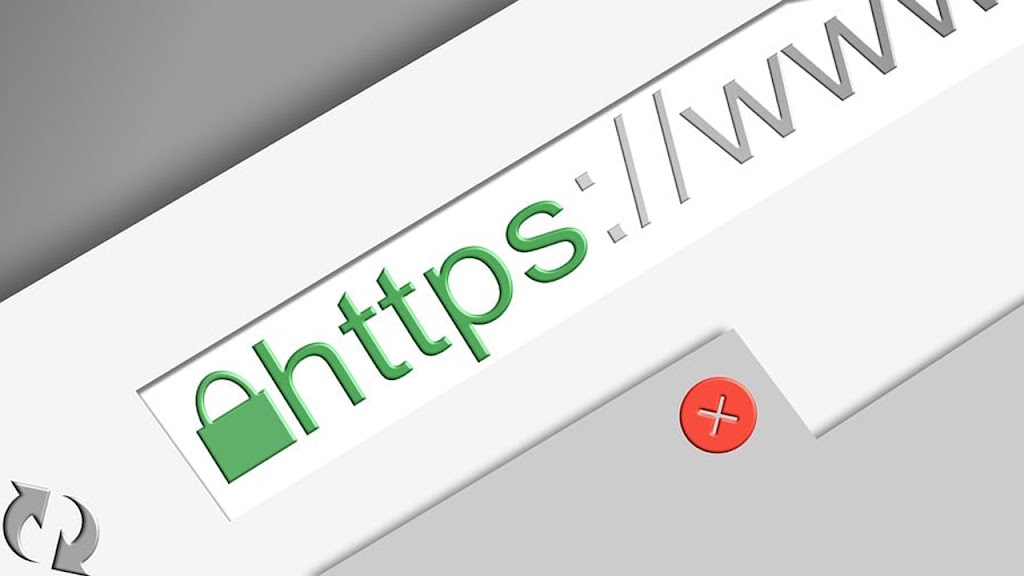
- Customer Trust: Websites using SSL display a padlock icon in the browser’s address bar, signaling to users that their connection is secure. This builds trust and confidence in the website.
- SEO: Google and other search engines favor websites with SSL, potentially improving search engine rankings.
How to Identify a Website Using SSL
- URL: Websites with SSL start with “https://” instead of “http://”.
- Padlock Icon: A padlock symbol appears in the browser’s address bar.
Summary
SSL is crucial for protecting data and personal information when accessing and transmitting information over the internet. It not only ensures security but also increases a website’s credibility and trustworthiness for users and search engines.